🔍 Loss Prevention: AI Revolutionizes Shoplifting Detection
Loss prevention is a central challenge for retail chain executives, particularly in the food retail, home improvement, and pharmacy sectors. According to the The Impact of Retail Theft & Violence report by the NRF, shoplifting incidents increased by 93% between 2019 and 2023, significantly intensifying pressure on retailers' margins. Faced with these evolving behaviors and rising shrinkage, traditional security solutions are showing their limits. This is where suspicious gesture detection technology using AI-powered video analysis comes in—an innovative lever that transforms loss prevention into a proactive and intelligent approach. By analyzing risky behaviors in real time via dedicated servers and AI algorithms, this solution detects anomalies before they turn into actual losses.
This anti-theft technology doesn't just detect confirmed acts of theft: it identifies ambiguous or recurring gestures associated with theft. Suspicious gesture detection software enables security teams to intervene more effectively, without disrupting the shopping experience for customers. By targeting genuinely high-risk situations, detection optimizes human resources and reduces losses.
For executives, this means better control over losses linked to shrinkage and a concrete return on investment through automation. A technology that combines economic performance with operational efficiency.
📊 Managing Shrinkage Through Data and Real-Time Decision-Making
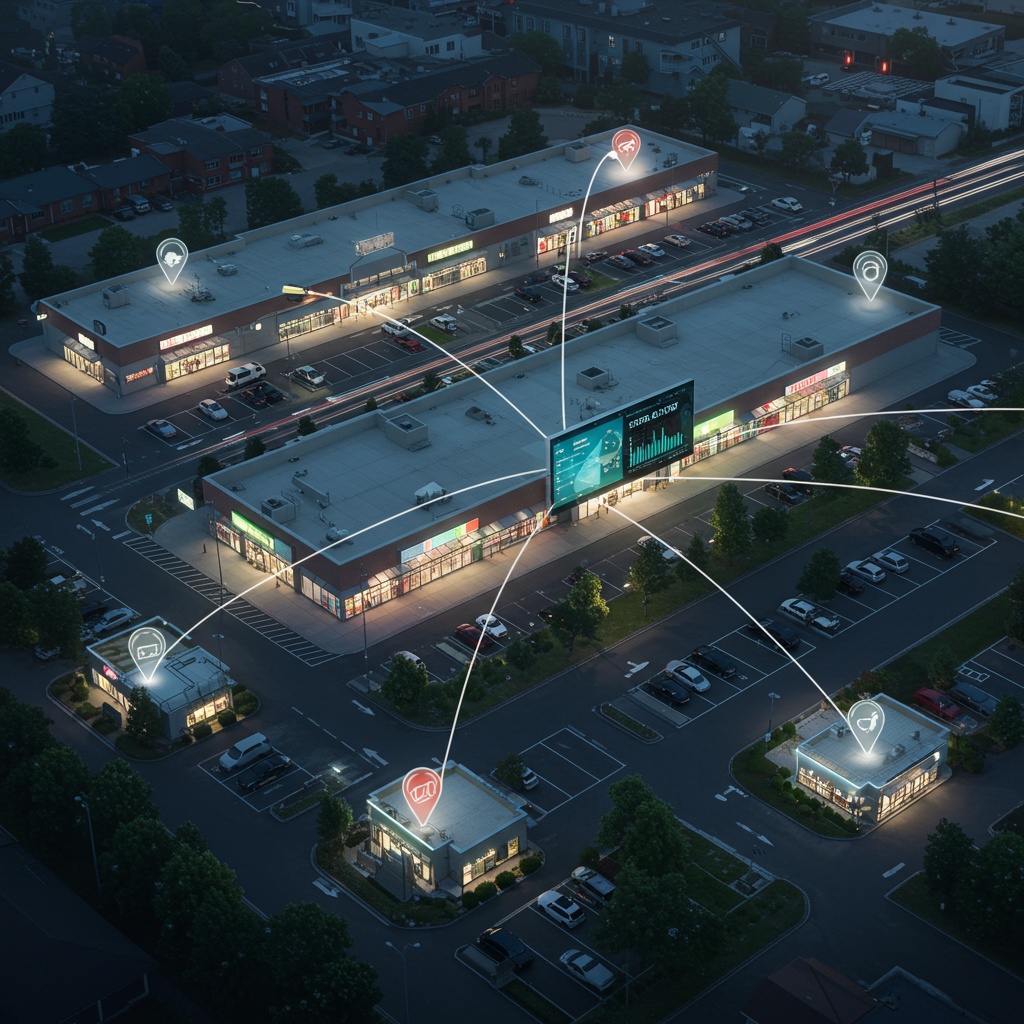
Beyond security, suspicious gesture detection contributes to overall operational streamlining. By continuously collecting data, intelligent solutions offer unprecedented visibility into in-store dynamics. Managers can identify sensitive areas, adjust customer flows, redeploy teams, and improve shelf layout to reduce theft opportunities. Research from the Loss Prevention Research Council (LPRC) confirms the effectiveness of this evidence-based approach to strengthening asset protection at points of sale.
This not only strengthens loss prevention but also optimizes labor costs and refines merchandising strategies. Executives now have concrete tools to make informed decisions based on real data rather than assumptions. As highlighted in McKinsey's The State of AI 2025 report, 88% of organizations already use AI in at least one business function—retail is no exception, and loss prevention is an area where the return on investment is particularly tangible.
This data-driven approach also makes it possible to establish more relevant security key performance indicators (KPIs) and track their evolution over time, ensuring agile and scalable management of the prevention strategy.
🤝 Discreet Security: Protecting Assets Without Compromising the Customer Experience
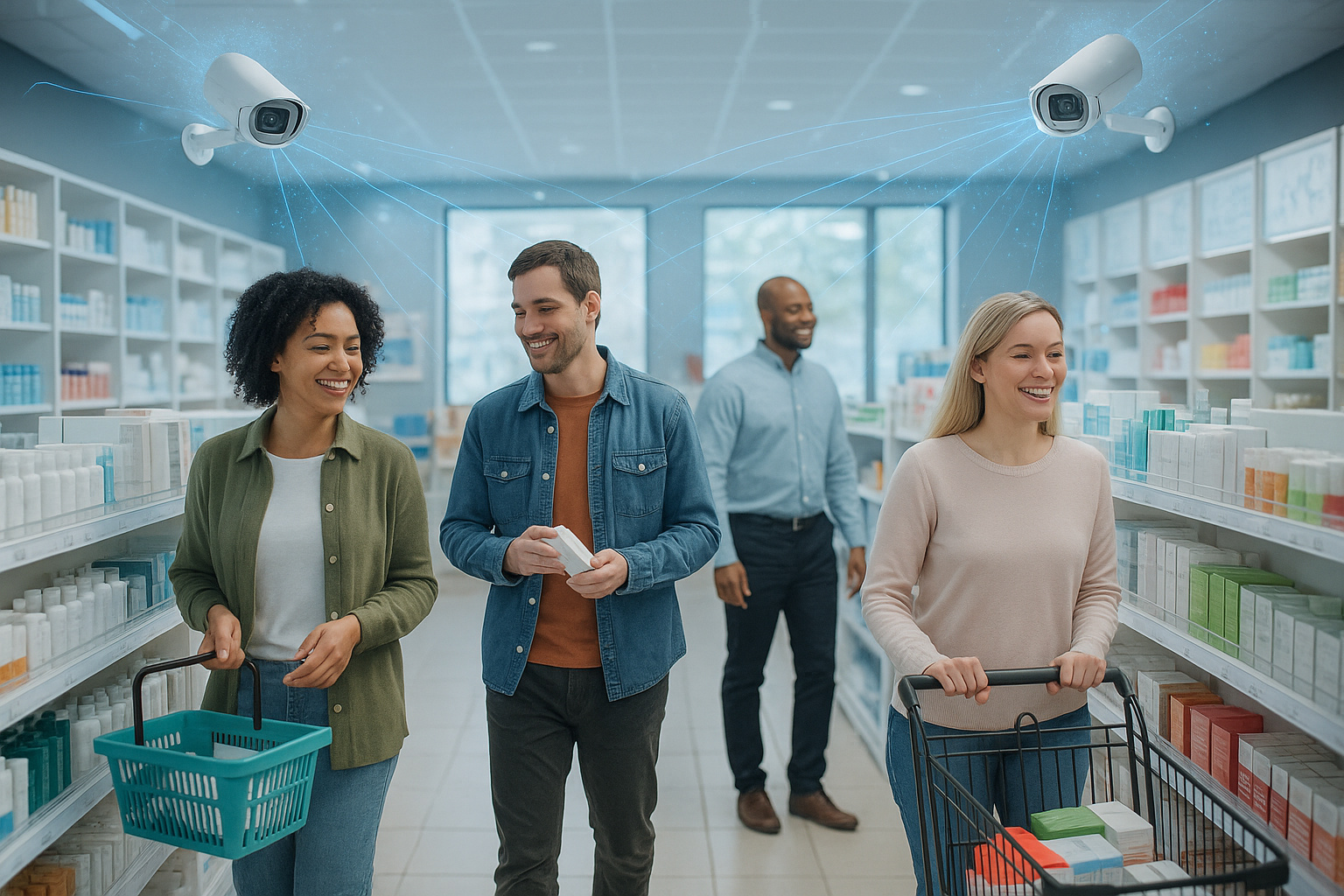
One of the major strengths of intelligent detection solutions lies in their discretion. Unlike intrusive methods such as bag checks or constant surveillance by visible security agents, gesture analysis technology operates in the background. It strengthens security without disrupting the store atmosphere. In the most advanced approaches, video analysis is performed in high resolution on dedicated GPUs, capturing details that low-resolution solutions simply cannot distinguish—a decisive factor for detection reliability.
For retail chains focused on customer loyalty, this is a major competitive advantage. By protecting assets without compromising the shopping experience, the solution avoids tension and inconvenience for customers, while maintaining constant vigilance over suspicious behavior. The alliance between artificial intelligence and security agents precisely combines the speed of AI detection with human judgment for an appropriate response.
In short, security becomes an invisible yet essential component of the customer journey, supporting brand image and contributing to a calm atmosphere across the entire store network.
🚀 Toward an Agile and Measurable Loss Prevention Strategy
Executives leading store networks know that reacting is no longer enough: they must anticipate. By integrating an AI-based suspicious gesture detection solution, they gain a strategic tool capable of evolving their loss management model toward greater precision, agility, and intelligence. Speed matters: the best-performing solutions, like Oxania's, achieve a latency of around 7 seconds between the detection of a suspicious gesture and the automatic sending of an alert, without human intervention—a decisive advantage that enables field teams to react at the right moment.
The combination of computer vision expertise and a deep understanding of retail challenges makes it possible to offer solutions tailored to the complex environments of supermarkets, pharmacies, and home improvement stores. Easily integrated into existing video surveillance systems, these technologies adapt to the specific needs of each retail brand while ensuring measurable results. According to research from the ECR Retail Loss Group, in-store losses have increased by an average of one-third compared to pre-pandemic levels—a finding that makes adopting these tools all the more urgent.
Suspicious gesture detection technology is thus becoming a true accelerator of operational performance, a valuable asset for streamlining resources, improving customer satisfaction, and sustainably securing revenue.