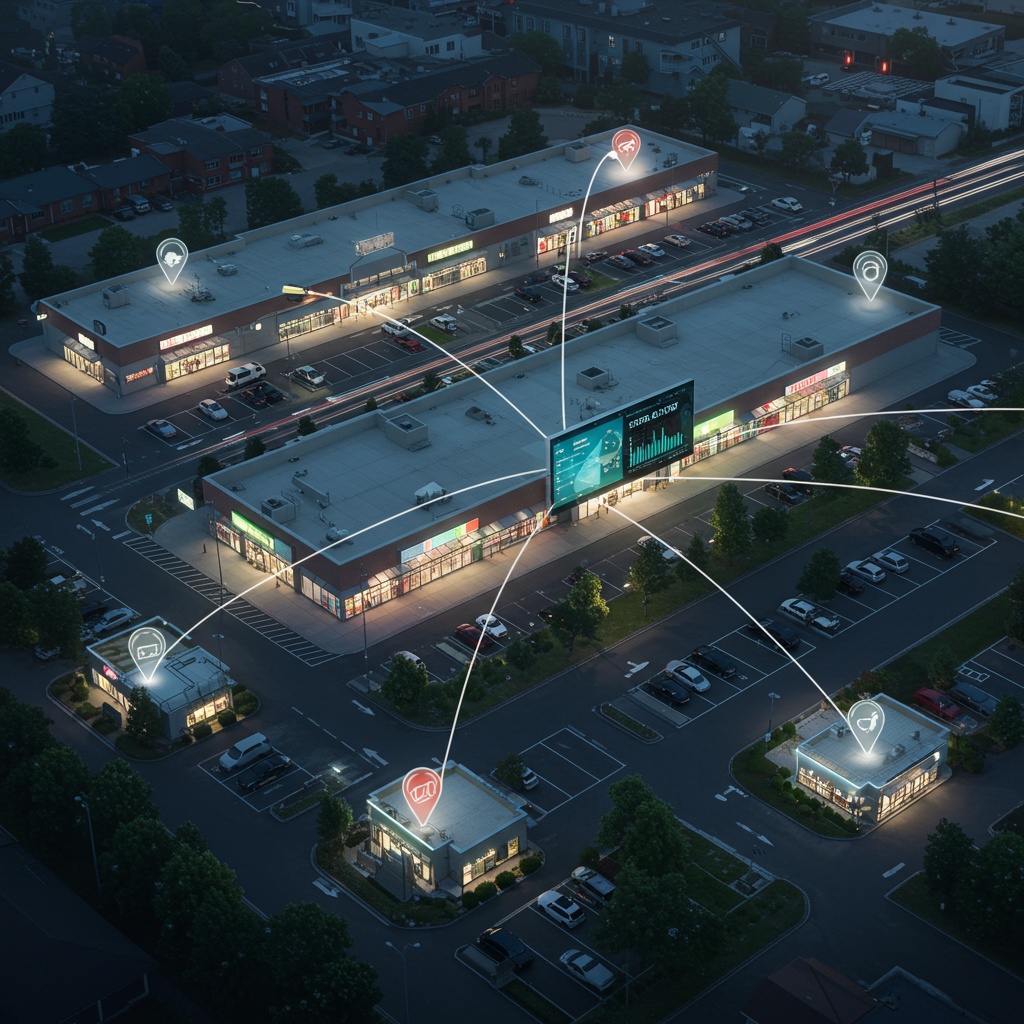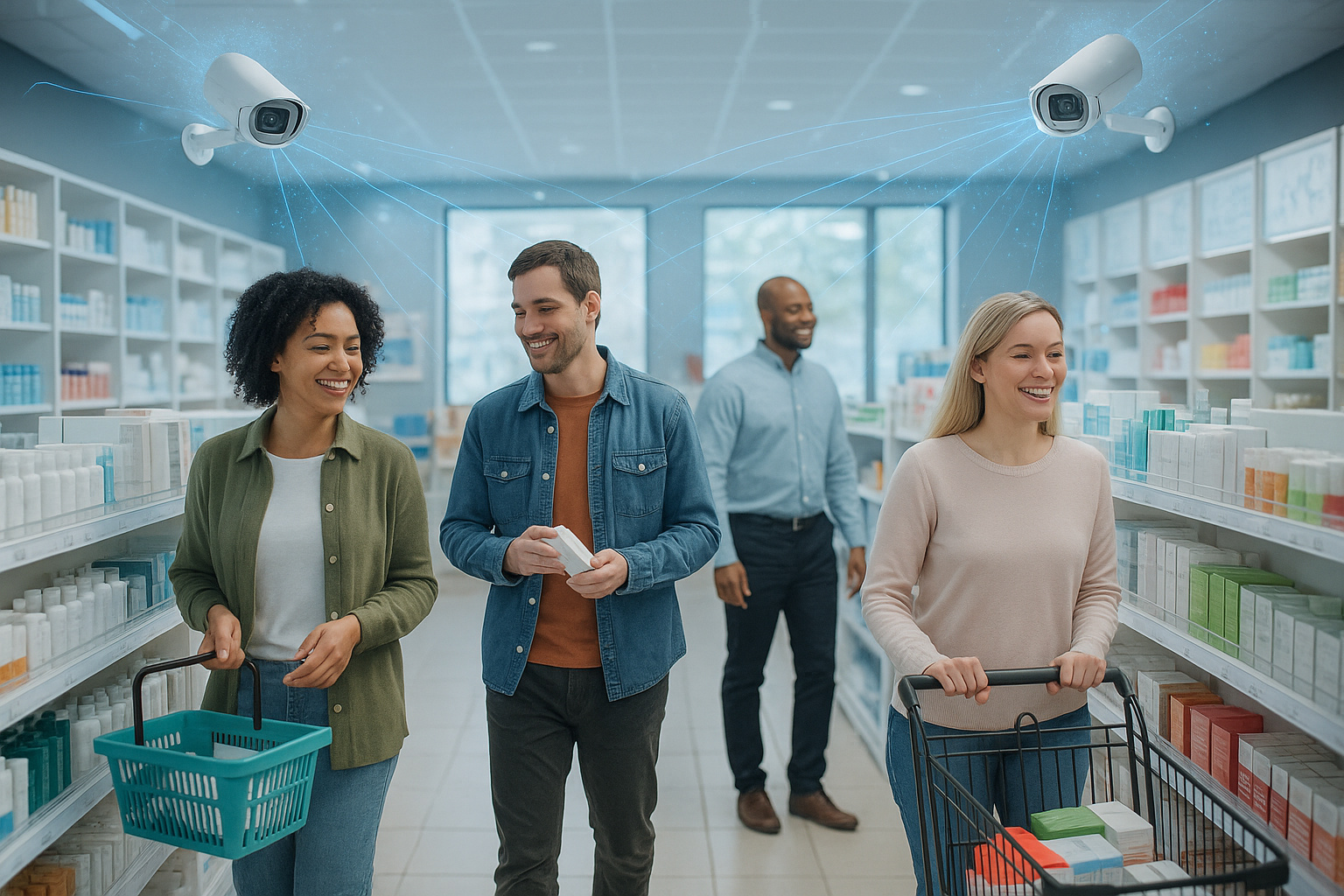
The fight against in-store theft is a major challenge for retailers, who are constantly seeking to protect their products while offering a flawless customer experience. According to the National Retail Federation (NRF), shoplifting incidents increased by 93% between 2019 and 2023, a figure that highlights the urgency of modernizing security systems. Two main categories of solutions are generally implemented: video surveillance systems and anti-theft systems . In this article, we explore these technologies, how they work, and how they can be optimized through Artificial Intelligence innovations.
Traditional surveillance cameras remain a pillar of security in retail. They allow suspicious behavior to be viewed and recorded, often serving as an effective deterrent. However, their effectiveness largely depends on human vigilance, which can lead to errors or delays in intervention.
AI-powered video surveillance is revolutionizing this approach. Through behavioral analysis, AI detects suspicious gestures specific to shoplifting in real time, reducing losses while freeing up time for security teams. To better understand these tools, check out our article on suspicious gesture detection software and its role against shrinkage.
🎥 In-store video surveillance: from traditional to Artificial Intelligence
Surveillance cameras are the first line of defense against malicious behavior. Installed at strategic points, they cover sensitive areas such as checkouts, high-value aisles, or exits. Their presence is a deterrent, and recordings can serve as evidence. However, they require constant human monitoring for maximum effectiveness, which can represent a high cost for retailers.
This is where AI-powered video surveillance comes in. Rather than relying solely on the human eye, intelligent systems automatically identify anomalies in behavior. For example, gestures such as hiding objects under clothing or repetitive movements around a shelf can be detected and flagged in real time. Oxania notably offers an automatic progressive zoom with point of interest , allowing operators to directly view the essential part of a scene and save precious time on each alert.
By combining traditional recordings with intelligent analysis, retailers gain in responsiveness and efficiency, while respecting customer privacy through precise configuration of behavioral analysis systems. As highlighted by the Loss Prevention Research Council (LPRC), evidence-based approaches allow retailers to better target their loss prevention investments.
🔒 Anti-theft systems: tags, gates, and protective devices
Traditional anti-theft systems , complementary to video surveillance, allow physical action against theft attempts. Anti-theft tags , adhesive or rigid, are attached to sensitive products. When a person attempts to leave the store without deactivating the tag, an alarm automatically triggers thanks to gates installed at the exit. This simple yet effective system is now widely used across all sectors, from apparel to home improvement. To learn more, check out our analysis on the strategic alliance between AI and security gates.
Among gate technologies, there are three main categories: radio frequency (RF) gates , electromagnetic (EM) gates and acousto-magnetic (AM) gates . Each type has its advantages, depending on the nature of the protected products and the store layout. AM systems, for example, are particularly resistant to interference and suited to high-traffic environments.
In addition, specific devices such as anti-theft badges and bottle anti-theft devices are used to secure highly targeted products. Bottle anti-theft devices are highly valued in the food sector to effectively protect the most stolen items in grocery retail without compromising their visual presentation.
🚀 Towards enhanced loss prevention through innovation
The future of loss prevention lies in integrating smarter technologies, capable of combining physical surveillance with automated behavioral analysis. According to a report by the World Economic Forum, Artificial Intelligence is already profoundly transforming consumer industries, notably by optimizing in-store operations and reducing shrinkage. Retailers that adopt a proactive approach and invest in modern solutions see a significant reduction in shoplifting.
Thanks to intelligent analysis of suspicious gestures associated with shoplifting , security teams can focus on genuinely problematic situations rather than scanning screens for hours. This improves operational efficiency and reduces workplace stress, while strengthening asset protection. Oxania also complements this approach with people counting and heatmap features, offering a comprehensive view of in-store activity beyond detection alone.
Adopting solutions that combine intelligent video surveillance with effective anti-theft systems is thus becoming an essential strategy for any retailer looking to combine security, a smooth customer experience, and increased profitability. The path to safer, more welcoming stores lies in intelligent innovation.