Understanding Unknown Shrinkage: Definition, Causes and Impact on Your Business
Unknown shrinkage, the gap between your theoretical stock (what your records show) and the actual stock found during the physical inventory, represents far more than a simple accounting difference. It is a net loss that directly erodes your profits. Worldwide, these losses are estimated at more than $100 billion per year for the retail sector, a figure that illustrates the scale of the phenomenon. For retail businesses such as grocery stores, pharmacies and DIY stores, it translates into a significant reduction in profit margin and can seriously affect the overall profitability of your business.
The causes of this shrinkage are varied and often intertwined: shoplifting is frequently cited (some product categories are particularly exposed, as shown by our analysis of the 10 most stolen products in stores), but you also have to account for administrative errors, internal theft that is sometimes hard to detect, and damaged products that were not properly recorded. Precisely identifying these multiple sources is the crucial first step toward putting truly effective corrective actions in place and protecting your assets over the long term.
Calculating Unknown Shrinkage: The Essential Formula and Its Limits
The most classic method for quantifying unknown shrinkage relies on a simple and well-established formula : (Opening stock + purchases for the period) - (closing stock from the physical inventory + recorded sales) = unknown shrinkage. This calculation, while essential for rigorous accounting and sound inventory management, provides a valuable indicator that is, by nature, fundamentally retrospective.
It reveals a loss once it has already occurred, often long after the events that caused it. Moreover, without the support of more sophisticated analysis tools, it remains particularly difficult to determine with certainty the exact share of each cause (external theft, internal theft, administrative error, breakage) in the overall amount of shrinkage. That is why it is recommended to complement this formula with key performance indicators (KPIs) dedicated to shrinkage, which offer a more granular, action-oriented view. The Impact of Retail Theft & Violence 2025 report from the National Retail Federation (NRF) also reveals that shoplifting incidents rose by 18% in 2024 compared to 2023, confirming the need to go beyond simple accounting observations. This retrospective approach, though indispensable, does not always make it possible to proactively identify the zones that are truly at risk or the specific at-risk gestures needed to effectively prevent future losses.
Smart In-Store Cameras: AI at the Service of Loss Prevention
Faced with the inherent limits of traditional calculation, “ smart in-store camera ” systems bring a real revolution to the way unknown shrinkage is addressed. Thanks to real-time video analysis powered by artificial intelligence, these cutting-edge technologies can identify and flag at-risk gestures, such as the concealment of an item, which often precede a theft or a loss. Leading institutions such as the Loss Prevention Research Council (LPRC) are actively working with the industry to validate the effectiveness of this at-risk gesture detection software. These systems not only make it possible to act more responsively in the moment, but also to develop a much deeper understanding of shrinkage dynamics within your own store.
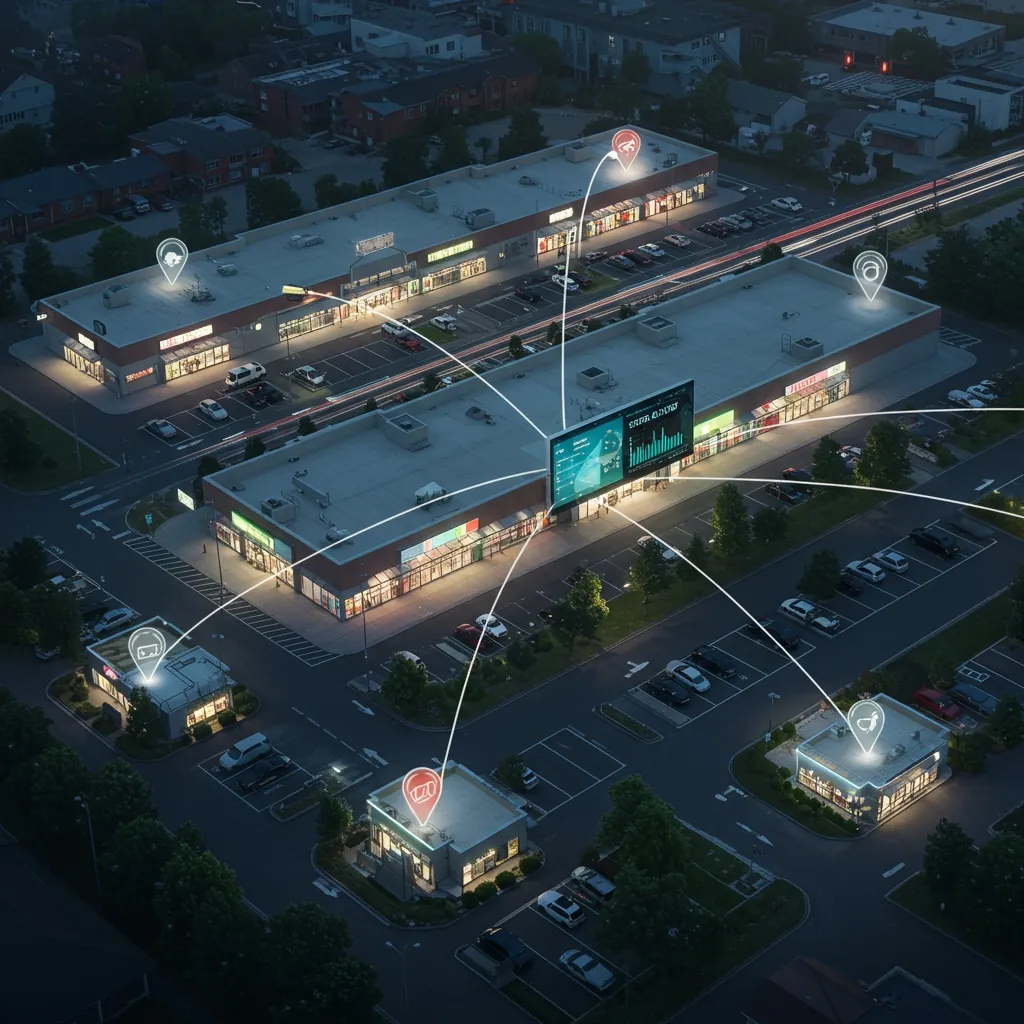
This technology notably helps highlight the “ hot spots ”, those specific zones of your store that prove most vulnerable, as well as the most exposed products. The best-performing solutions, such as Oxania's, perform this analysis in high resolution (mainstream stream) thanks to dedicated GPUs, capturing details that low-resolution systems simply cannot detect. So instead of merely noting losses after the fact, you gain a considerable capacity for preventive action :
- Receive discreet alerts for a fast and precise intervention by staff.
- Deter attempts with a visible, modern technological presence .
- Collect video clips and statistics by zone and time slot to understand where and when losses occur.
- Optimize the layout of aisles and the presentation of products to minimize opportunities for shrinkage.
Oxania: Your Technology Ally for Reducing Unknown Shrinkage
In this quest to optimize and protect your margins, innovative solutions are emerging to transform the management of unknown shrinkage. Oxania's advanced at-risk gesture detection system, built on the power of artificial intelligence, is a leading technology ally. Specially designed to fit into the daily operations of stores, it offers a detailed understanding of losses and, above all, the concrete means to address them effectively. The alert is sent automatically in under 10 seconds after an at-risk gesture is detected, with no human intervention: your team can react without delay and decides what happens next.
The main goal is to deliver measurable benefits, going well beyond simple passive recording.
- A measurable decrease in the unknown shrinkage rate.
- A noticeable improvement in overall safety, creating a calmer environment for staff and customers.
- Optimized prevention processes thanks to the analysis of clear, actionable data drawn from detections.
As the ECR Retail Loss group points out, a collaborative approach combining technology, best practices and data analysis is the key to effective prevention. With Oxania, the aim is precisely to move from a often reactive and late management of losses to a proactive strategy that is intelligent, protecting your margins and contributing to the longevity and success of your business.