The Challenge of Shrinkage for Retail Chains
Shrinkage, which includes shoplifting, administrative errors and supplier fraud, represents a considerable loss of revenue for retail chains. Whether supermarkets, pharmacies or DIY stores, this phenomenon directly impacts profitability. The scale of the problem keeps growing: according to the National Retail Federation's Impact of Retail Theft & Violence report, retailers recorded a 93% increase in shoplifting incidents between 2019 and 2023.
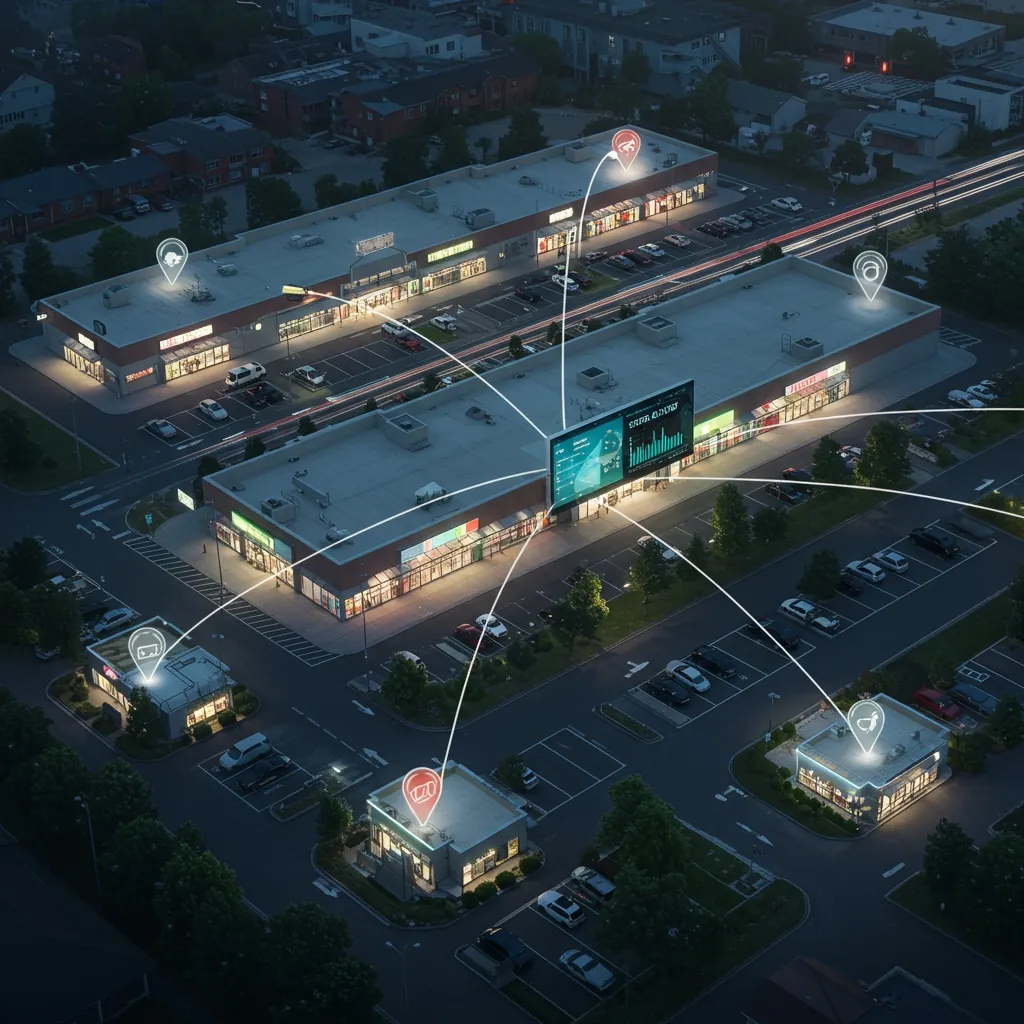
For multi-site retail brands, this challenge is amplified. Managing security consistently across dozens, even hundreds of stores, is a real operational headache. The lack of centralized visibility makes it difficult to identify trends, compare performance between stores and put effective, uniform prevention strategies in place. To better understand how this phenomenon works, read our complete guide to shrinkage.
Faced with this major challenge, traditional security approaches are showing their limits, paving the way for innovative technological solutions to finally streamline the fight against losses.
AI for Prevention: Real-Time Detection of At-Risk Gestures
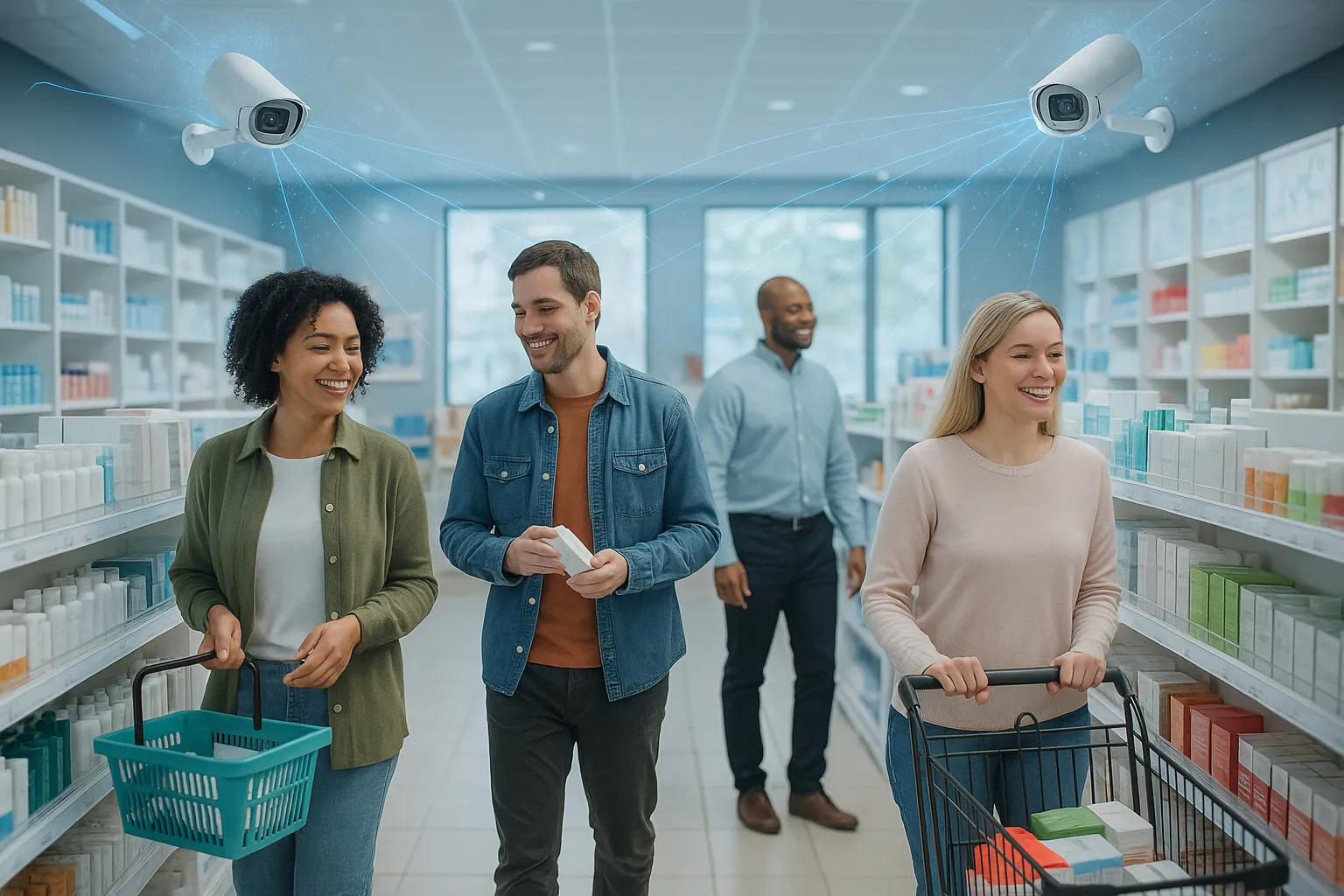
Unlike conventional video surveillance, which is mainly used to investigate after a theft, intelligent video analysis changes the game by taking a proactive approach. Innovative solutions like Oxania, whose founders have more than 10 years of AI R&D experience, no longer just record: they analyze video streams in real time to identify at-risk gestures, often associated with shoplifting. The result: an alert is sent automatically in less than 10 seconds, with no human intervention. Gestures analyzed include:
- Concealment of a product in a backpack, a handbag or under clothing.
- Opening or handling packaging in sensitive areas.
- Consuming products directly in the aisle.
When such a gesture is detected, the system sends a near-instant alert to security staff or the store manager. This ability to intervene immediately makes it possible to defuse a situation before the theft is even committed, transforming security from a reactive function into a powerful prevention tool. It is precisely this collaboration between AI and security officers that makes the approach so effective in the field.
Standardization and Loss Prevention: The Benefits for a Store Network
Deploying a unified AI detection solution offers crucial benefits for managing a network. The first is the standardization of security protocols. Every store benefits from the same level of technological protection and can apply consistent, professional response procedures across the entire chain. This structured approach is, moreover, encouraged by organizations such as the ECR Retail Loss Group, which promotes best practices in loss prevention worldwide.
In addition, management benefits from centralized visibility through a dashboard. They can track key performance indicators (number of alerts, most affected areas, types of incidents) for all sites, identify the most vulnerable stores and make informed strategic decisions. This efficiency gain frees up in-store staff. Instead of passively staring at screens, teams can focus on customer service, being called upon only when an at-risk gesture is genuinely detected, thereby optimizing their time and their positive impact on sales.
Beyond Security: Improving the Customer Experience and Operations
An intelligent detection solution is not limited to reducing losses; it also contributes positively to the overall store environment. By proactively preventing incidents, it creates a safer, calmer environment for customers and employees alike. The work of the Loss Prevention Research Council also confirms that advanced detection technologies help significantly reduce confrontational situations at the point of sale.
Interventions become more subtle and effective. Rather than a confrontation at the exit, an early alert allows an employee to approach the person and simply offer help. This customer service-oriented approach often defuses the situation without any conflict. The data collected is also a goldmine for optimizing operations. It can reveal weaknesses in the store layout, making it possible to adjust the placement of high-risk products to make them less vulnerable, without harming the shopping experience.
A Strategic Investment for Secure Growth
Implementing an AI-based system for detecting at-risk gestures should be seen not as a mere expense, but as a strategic investment in profitability and in the longevity of the brand. The return on investment (ROI) is tangible and fast. It is first measured by the direct reduction of shrinkage, which has an immediate, positive impact on the net margin of each store.
Significant indirect gains come on top of this: better team productivity, fewer confrontational situations and the collection of valuable data to refine marketing and operational strategy. Such technology is scalable and supports the growth of the chain, deploying easily in new stores. By securing its assets and optimizing its processes, a retail brand gains a lasting competitive advantage for a resilient future.