Mainstream and substream: understanding the two video streams
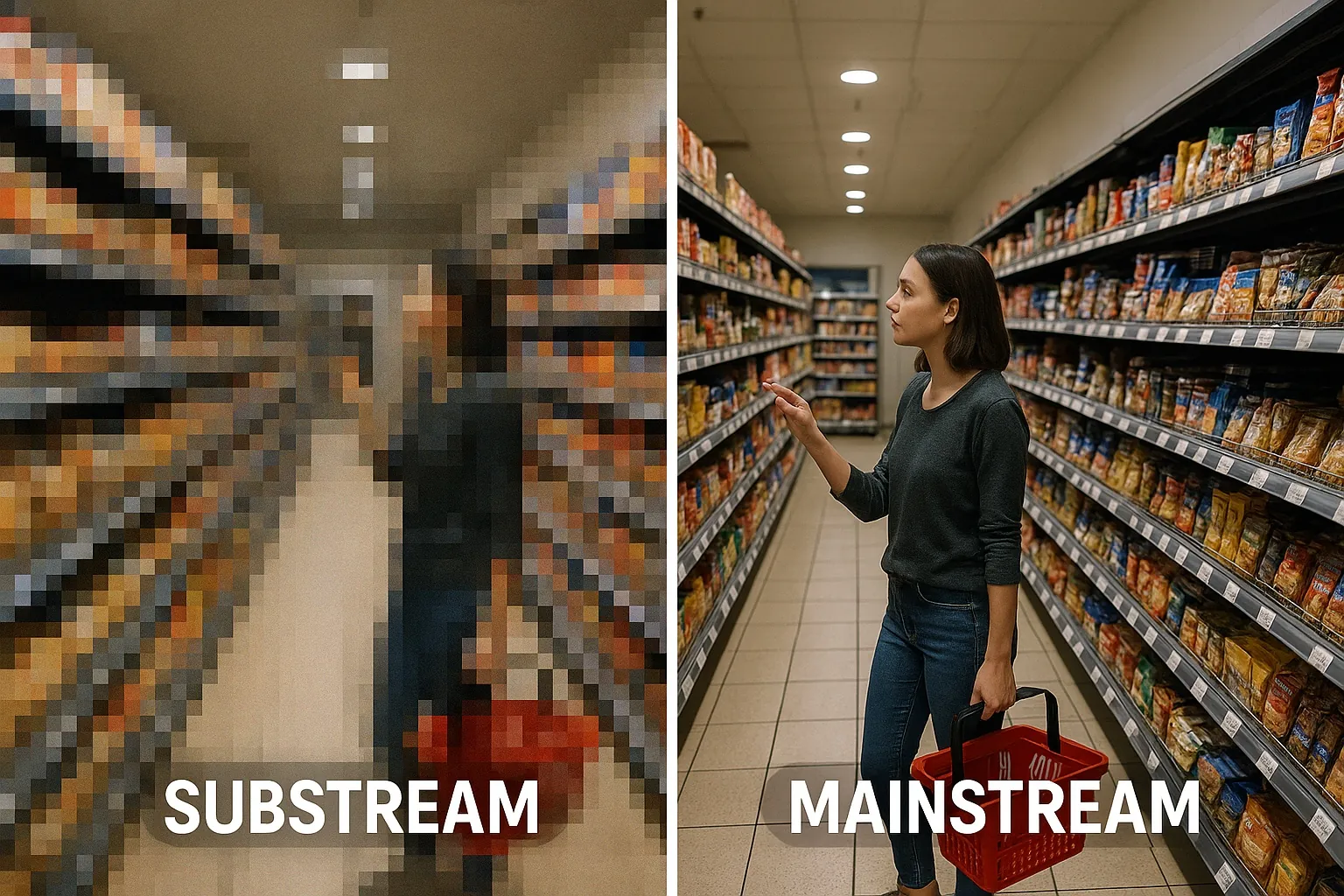
In-store video analytics relies on data streams captured by cameras installed in the retail environment. These streams can be processed using two approaches: mainstream and substream. The mainstream is the primary video stream, generally in high definition (1080p, 4K or higher), which offers an optimal level of detail for advanced analysis. The substream, on the other hand, is a lighter secondary stream, often compressed to ease processing and limit the bandwidth used.
While the substream may seem appealing at first glance because of its low technical requirements, it quickly shows its limits in demanding use cases, especially accurate detection of at-risk gestures. Subtle details (hand movements, interactions with products) are often lost in a low-resolution stream. This considerably undermines the accuracy of AI models, which need rich, well-defined data to deliver reliable results.
By comparison, mainstream analysis relies on high-fidelity images. This allows a finer reading of gestures and postures, which is essential for retail stores, where the risks of shrinkage are high and often linked to subtle gestures. According to the 2025 report from the NRF (National Retail Federation), shoplifting incidents rose by 18% year over year, making detection accuracy more critical than ever.
The operational benefits of high-resolution video analytics
One of the major strengths of mainstream processing is its ability to feed artificial intelligence algorithms with high-quality, accurate and consistent data. This translates into more reliable, actionable results for security teams and store managers. The detection of at-risk gestures (concealment of items, opening of packaging, consumption in the aisle) becomes more relevant, reducing false positives and improving response time on the ground.
Unlike the substream, which can produce blurry, pixelated or compressed images, the mainstream guarantees a clear visual base on which the AI can rely. Some solutions, such as Oxania's, use dedicated GPUs to process the mainstream in real time, combining high resolution with low latency: a major difference from solutions that are limited to the substream due to computing power constraints. It also allows better traceability of events, which is useful for post-incident analysis.
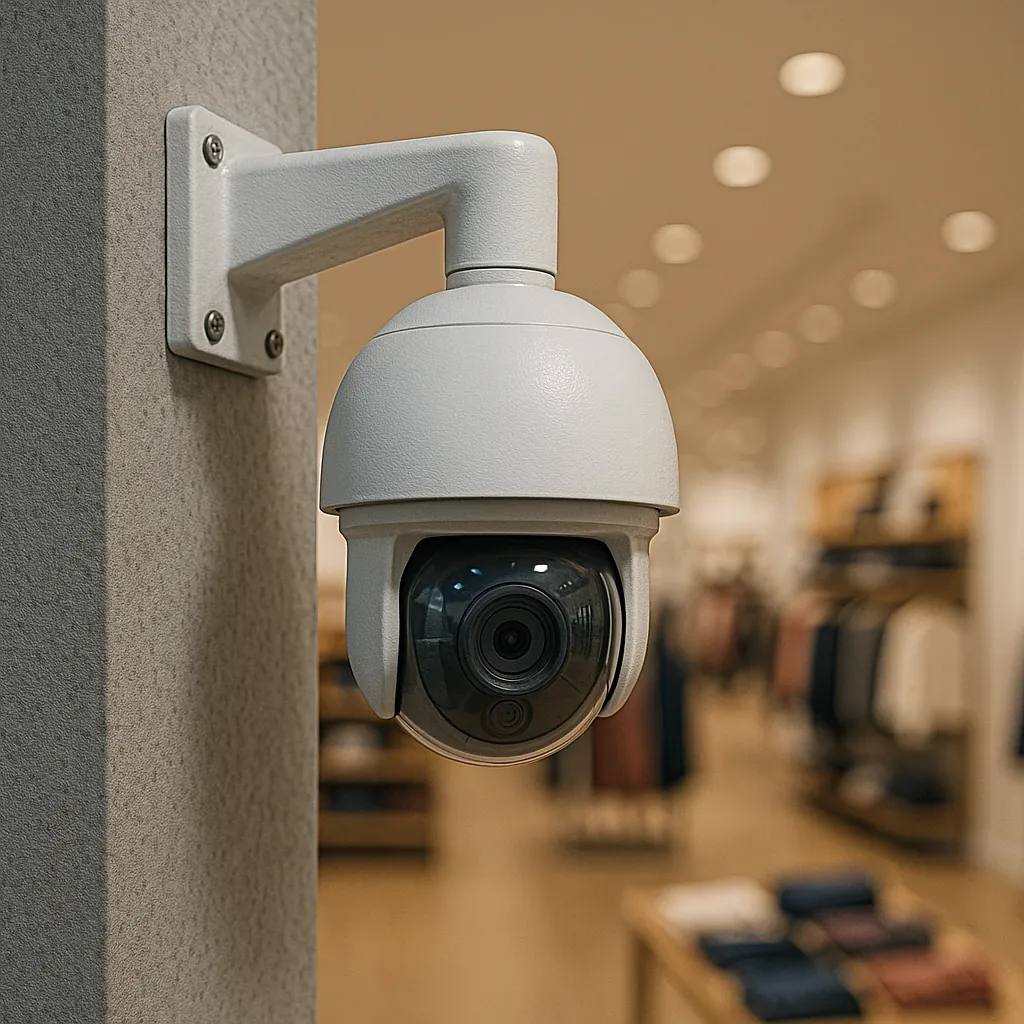
For decision-makers, this means a concrete reduction in losses, a better customer experience (interventions are more precise and less intrusive) and more effective security systems, without needing to increase the number of cameras or modify the existing infrastructure. The choice of hardware also plays a decisive role: find out how to choose the right security camera for your store.
Why the substream is no longer enough for AI detection
As AI advances rapidly and becomes capable of recognizing complex gestures and human interactions, relying on the substream becomes a major technical limitation. Its low bitrate compromises the quality of the data collected, making some analyses impossible or imprecise. The AI video analytics market is, moreover, enjoying steady growth, with a compound annual growth rate (CAGR) of nearly 23% expected by 2031, a sign that image quality requirements keep rising.
Furthermore, in a context where threats are becoming more subtle, it is no longer enough to identify obvious gestures: it is often quick, subtle gestures (an item slipped into a pocket, an opened package) that signal a real risk. These nuances disappear in substream feeds, reducing the ability of security teams to anticipate and react. As the ECR Retail Loss community points out, which brings together more than 400 retail brands worldwide, shrinkage represents an issue worth several tens of billions of dollars globally.
Opting for a substream-based solution therefore means risking an investment with limited returns. Conversely, the mainstream becomes a strategic foundation for stores that rely on technology to improve both their security and their commercial performance.
Oxania: mainstream video analytics serving integrators
At Oxania, choosing the mainstream is a deliberate technological stance. Our artificial intelligence video analytics solutions use high-definition streams processed by dedicated GPUs, ensuring maximum reliability in the detection of at-risk gestures and seamless integration with existing cameras. This architecture, designed for video surveillance and loss prevention integrators, ensures a professional deployment suited to field constraints.
By choosing mainstream analysis, you give your teams more precise tools and more relevant alerts. It is a powerful lever for combining operational efficiency and technological innovation.
Adopting mainstream analysis means entering a new era of intelligent video analytics, where data quality makes all the difference.