Saturday, late afternoon. Every checkout is open and the queues are growing. A full shopping cart, the large wheeled cart customers usually take from the parking lot, moves against the flow of customers and heads out through the entrance, the wrong way, without going through the checkout line. Customer service is handling a return, the checkout staff are scanning: nobody sees it leave.
This full-cart theft goes by several names: cart exit without payment or forced passage in the trade, pushout theft in the United States, trolley push-out in the United Kingdom. The scenario is always the same: the cart is filled as for an ordinary shop, then leaves the store with nothing paid, most often the way it came in.
The phenomenon is gaining ground. In its study published in July 2026, the American retail federation states that 37% of the retail chains surveyed report an increase in walkout or pushout thefts in 2025, while shoplifting incidents fell by 12.4% over the same period. Small thefts are declining, full carts are on the rise: a good reason to look at the entrance differently, and to see what Oxania's new alert brings, which notifies the team of these exits.
Why the entrance is a blind spot in the store
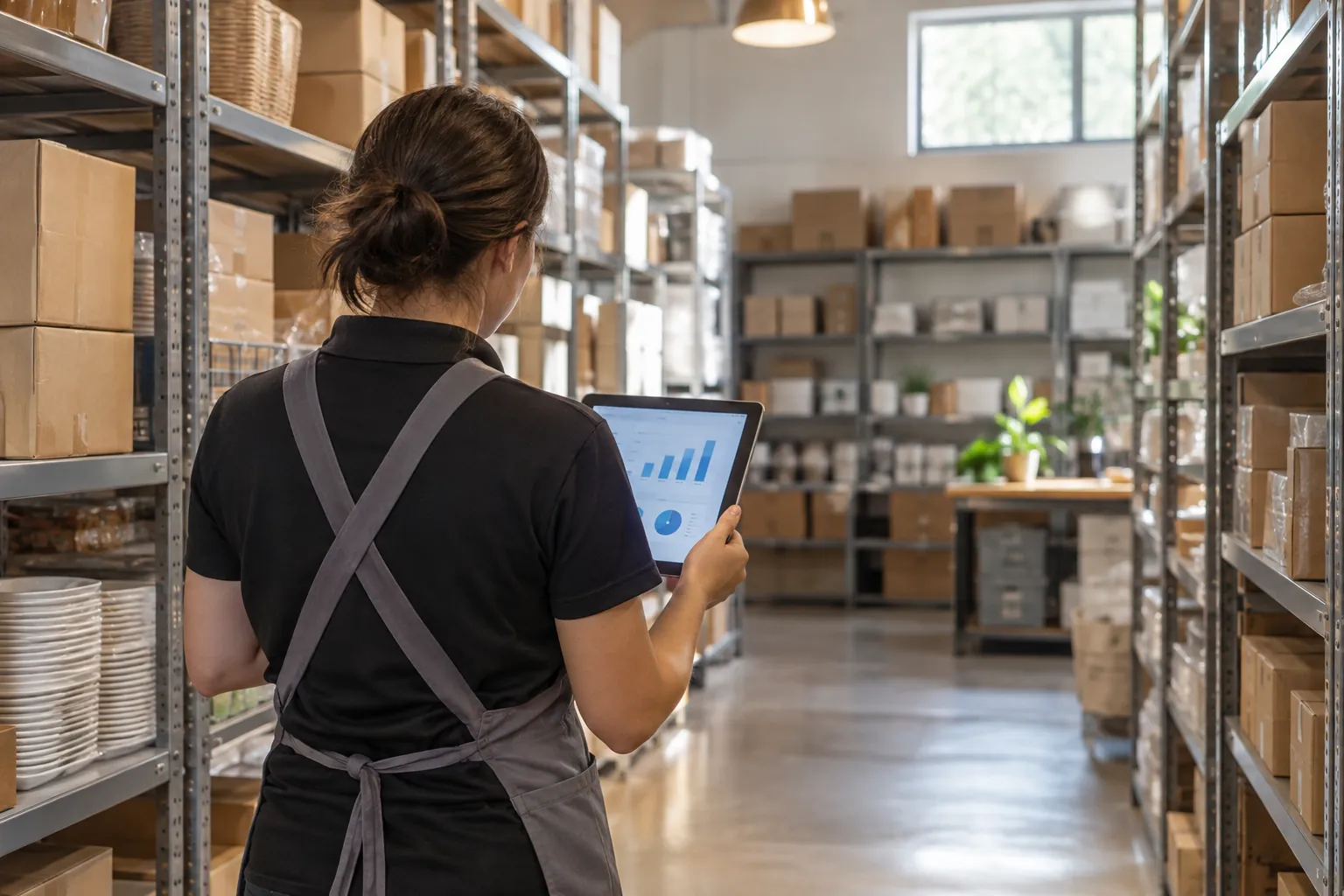
In most large retail stores, the team is organized around the customer journey. Checkout staff keep their eyes on their belt, aisle employees are busy restocking shelves, and customer service handles returns and questions. The entrance, meanwhile, is a place of passage: carts are parked there, people say hello, nobody stays. Your teams cannot be everywhere, and the exit against the flow slips through precisely there.
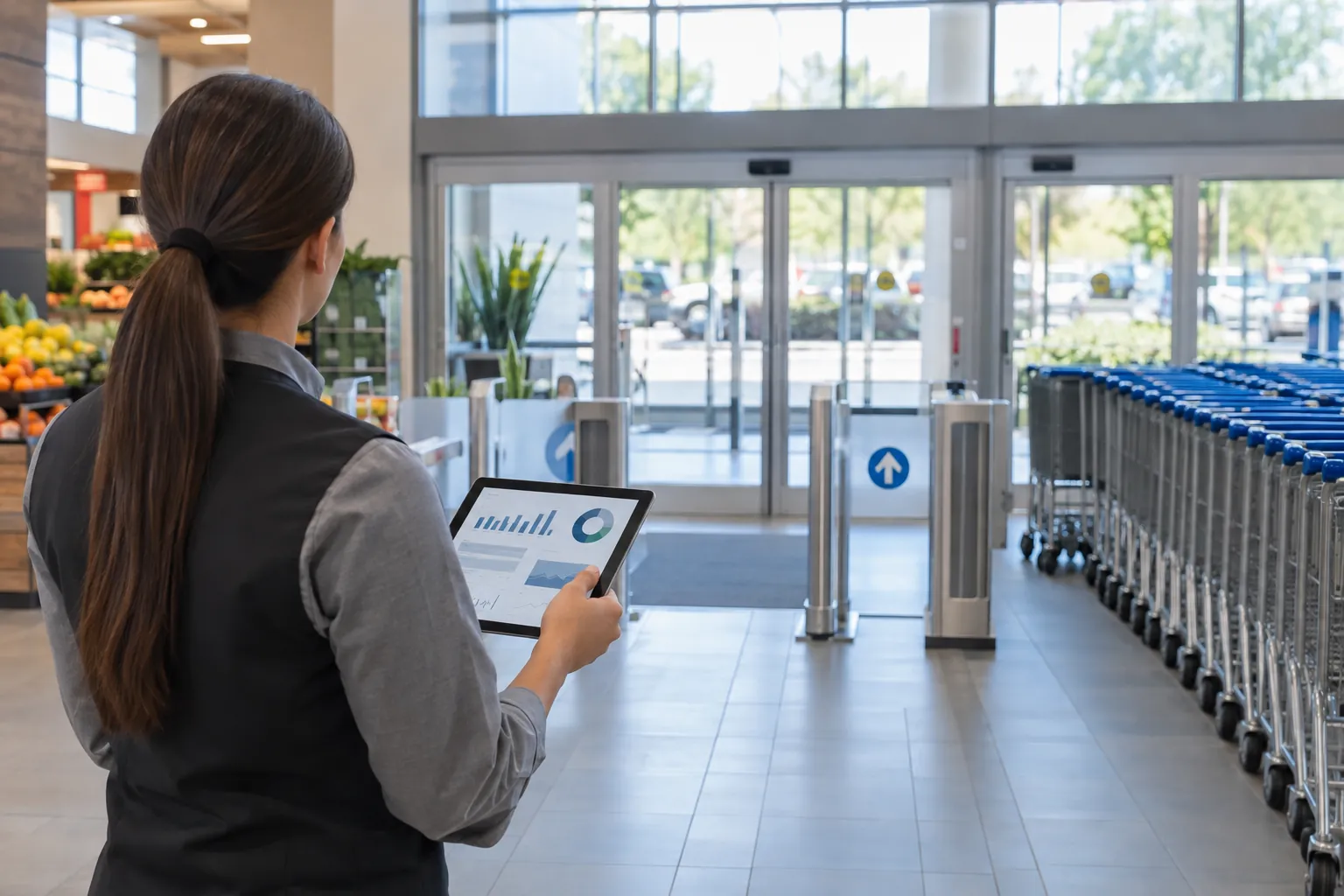
- Entrance gates, also called anti-return gates, open as a customer approaches. A cart can pass in the wake of someone coming in, or get through the gate in the wrong direction when the mechanism is slow or has been left open.
- Automatic doors make no difference between a customer coming in and a cart going out.
- At peak times, the entrance fills up with carts and strollers, and a full cart heading back out blends into the movement.
The area is often already covered by a camera. The problem is that nobody is watching that screen at the right moment. The scene is discovered the next day when reviewing the recordings, when the cart is long gone.
How much does a full cart leaving without payment cost?
A classic shoplifting incident involves one or a few items slipped into a pocket or a bag. A full cart is an entire shop: meat, spirits, hygiene products, sometimes small appliances. It often contains the products most exposed to theft in food retail, but in bulk.
Public data is scarce. In the United Kingdom, a study published in 2021 by Professor Emeritus Adrian Beck assessed these exits using data from two major food retailers and more than 900 incidents. According to the report on this study published by Security Matters, the average value of a cart taken out without payment reached £224, and some incidents exceeded £2,000. The study was commissioned by a manufacturer of wheel-locking systems, which calls for caution. The order of magnitude still speaks for itself: a single cart can represent as much as a long series of small thefts in the aisles.
The same report provides two figures that matter for what follows. Only 3% of recorded incidents involved aggression. And 21% of the people approached at the exit ended up paying for their items. In other words, an employee who steps in calmly, at the right moment, resolves some cases without any conflict at all.
Gates, wheel locking, a guard at the door: the usual countermeasures
- One-way gates, or anti-return gates. They channel the flow and make it harder to exit through the entrance. But they do not close instantly, a cart can follow a customer coming in, and a gate stuck in the open position is no use at all. They must also comply with the evacuation rules set by local regulations.
- Wheel locking. Some systems immobilize the wheels of a cart leaving the store without having gone through the checkout. It is the most direct countermeasure, provided you equip the cart fleet and the exits, then maintain the whole setup.
- A guard at the door. A human presence deters and welcomes. But a fixed post covering the full opening hours is expensive, and even an attentive guard loses focus at peak times. On this subject, see how AI and security guards complement each other.
- Receipt checks. They work on the exits designed for them, not on an exit that precisely avoids that checkpoint.
None of these measures should be discarded. They all share the same weakness: they hold a single point of passage, but nobody is alerted when that point is crossed at the wrong moment. As with the combination of AI and anti-theft gates, the aim is less to replace these systems than to add real-time information to them.
A video alert when a full cart comes back out through the entrance
This is what the new feature introduced by Oxania in November 2026 offers. The AI spots a full shopping cart coming back out of the store through the entrance, against the flow, and the team receives a video clip, like with the other video alerts, with automatic zoom and dashboards, on all their devices: mobile, tablet or computer. The analysis relies on the existing cameras that already film the entrance. In practice, four things change.
- A courteous response at the door. An employee steps forward, offers to help load the car, asks to see the receipt. The tone stays welcoming, not confrontational.
- Staff safety comes first. The alert does not invite anyone to run, and nobody chases a cart across the parking lot. The technology detects, the team decides what happens next, according to internal procedure and local regulations, including any steps taken with the authorities.
- Time-slot benchmarks. Over the weeks, the alerts show at which hours the entrance is most exposed. The manager can then place someone at the door during those periods, rather than tying up an employee all day.
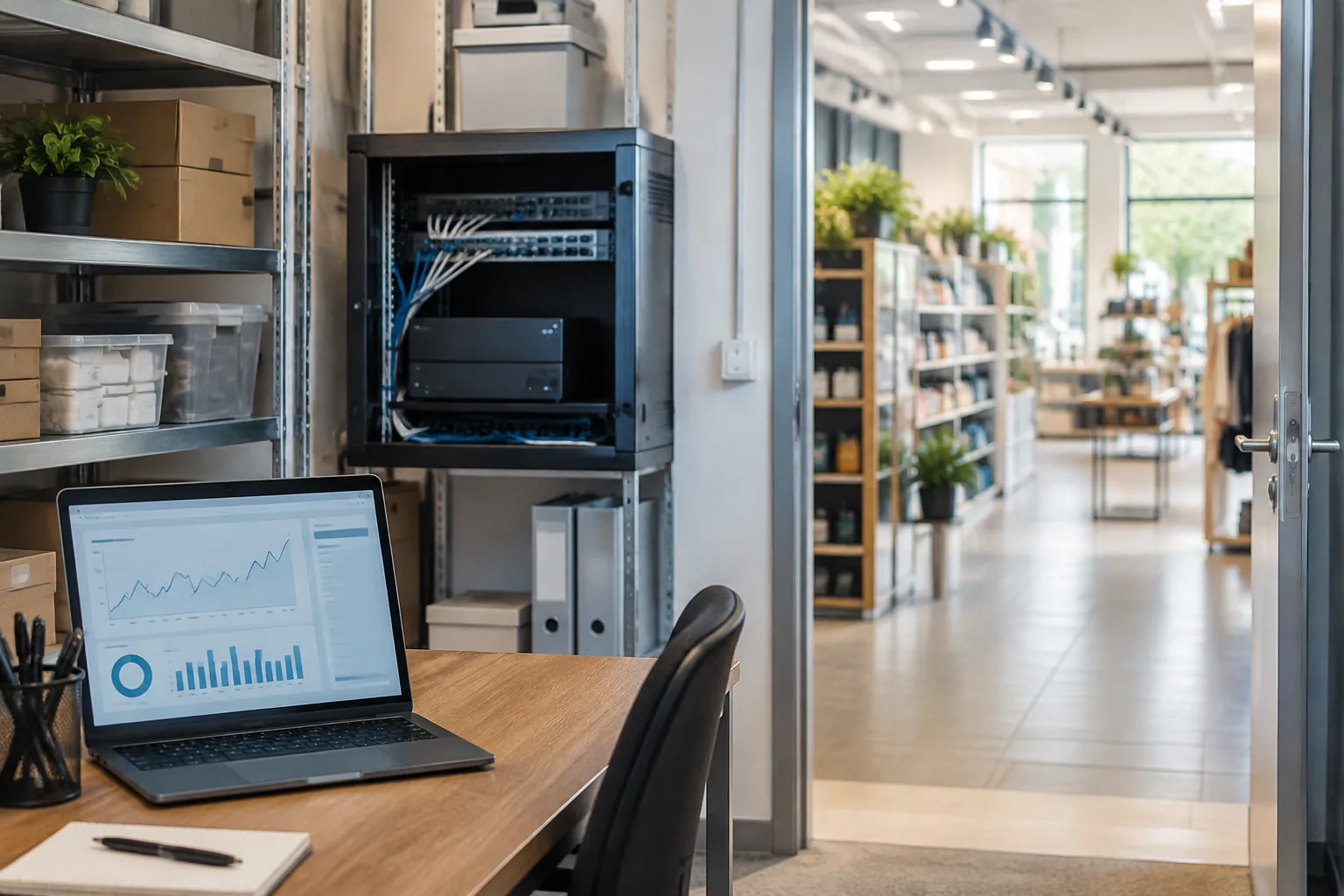
- One system for several uses. The same cameras and the same dedicated in-store GPU also analyze at-risk gestures in the aisles: concealment, a product placed in a personal bag, consumption in store, opening of packaging.
The limits: a situation to check, not a theft
One point leaves no room for ambiguity: the AI does not know whether the items have been paid for. It flags a full cart going out through the entrance, nothing more. And several perfectly normal situations look similar. A customer has paid, then comes back through the entrance because their car is parked on that side. An employee takes a cart of goods out for an outdoor stand. A customer returns to pick up a forgotten item, receipt in pocket.
Hence a simple rule: approach the person with a question, never with an accusation. Like the other detections, the alert concerns a situation and a direction of movement, not anyone's identity. The verification, the tone used and the decision remain the team's responsibility.
Getting the entrance ready before the busy weeks
Three points can be settled in advance. The entrance camera must frame the gates and the doors, with no backlighting or seasonal display in its field of view. Recipients are designated: who receives the alert, and who goes over when customer service is overwhelmed? Finally, the approach line is agreed with the team, so that everyone knows how to address a customer at the door in a welcoming tone. The entrance then becomes a place of welcome where the team is alerted in time, and not the exit that nobody watches.
Frequently asked questions about carts leaving through the entrance
What is pushout theft? It is the English name for a full shopping cart leaving without going through the checkout, often through the store entrance. In the United Kingdom, it is called a trolley push-out.
How can you stop a full cart from coming back out through the entrance? No single countermeasure is enough on its own. Stores combine a physical barrier (one-way gates, wheel locking), a presence at the door during busy hours and a real-time alert.
Does the alert prove that a theft took place? No. It flags a full cart going out through the entrance. The team checks, receipt in hand, and decides what happens next.
Do you need to install new cameras? Not if an existing camera already covers the entrance and its gates: Oxania's alert relies on the cameras already in place, and your integrator checks that the framing is suitable.