Understanding Shrinkage to Better Protect Your Margin
Shrinkage, and shoplifting in particular, is a daily and costly challenge for all retail players, whether in grocery retail, pharmacies or DIY stores. According to the Sensormatic Global Shrink Index, global shrinkage represents roughly 1.82% of retail revenue, or more than $100 billion in losses every year. This silent phenomenon does more than distort your inventory: it directly erodes your profit margins and weighs on the overall profitability of your points of sale. To counter this threat effectively, the first essential step is to accurately identify the products most frequently stolen.
Knowing which products are most exposed allows you to deploy an effective, tailored prevention strategy . All the more so as the phenomenon is accelerating: a study published by the NRF in 2025 reveals an 18% rise in shoplifting incidents in 2024 compared with the previous year. This article aims to present the top 10 most stolen items, to give you the knowledge you need to better secure your assets, protect your profits and optimize in-store security management.
High-Value Goods: The Most Exposed to Organized Theft
The most frequently stolen products share characteristics that make them especially attractive for organized theft : they are generally small, have a high market value and are easy to resell on parallel markets. This combination exposes them in particular to structured networks seeking to maximize their profits. According to a NRF report on the impact of retail theft, 67% of the retail chains surveyed report the involvement of transnational criminal groups in the thefts they suffered over the past year. It is therefore essential to pay particular attention to these items to deter attempts.
Among the most coveted products, three main categories unsurprisingly stand out:
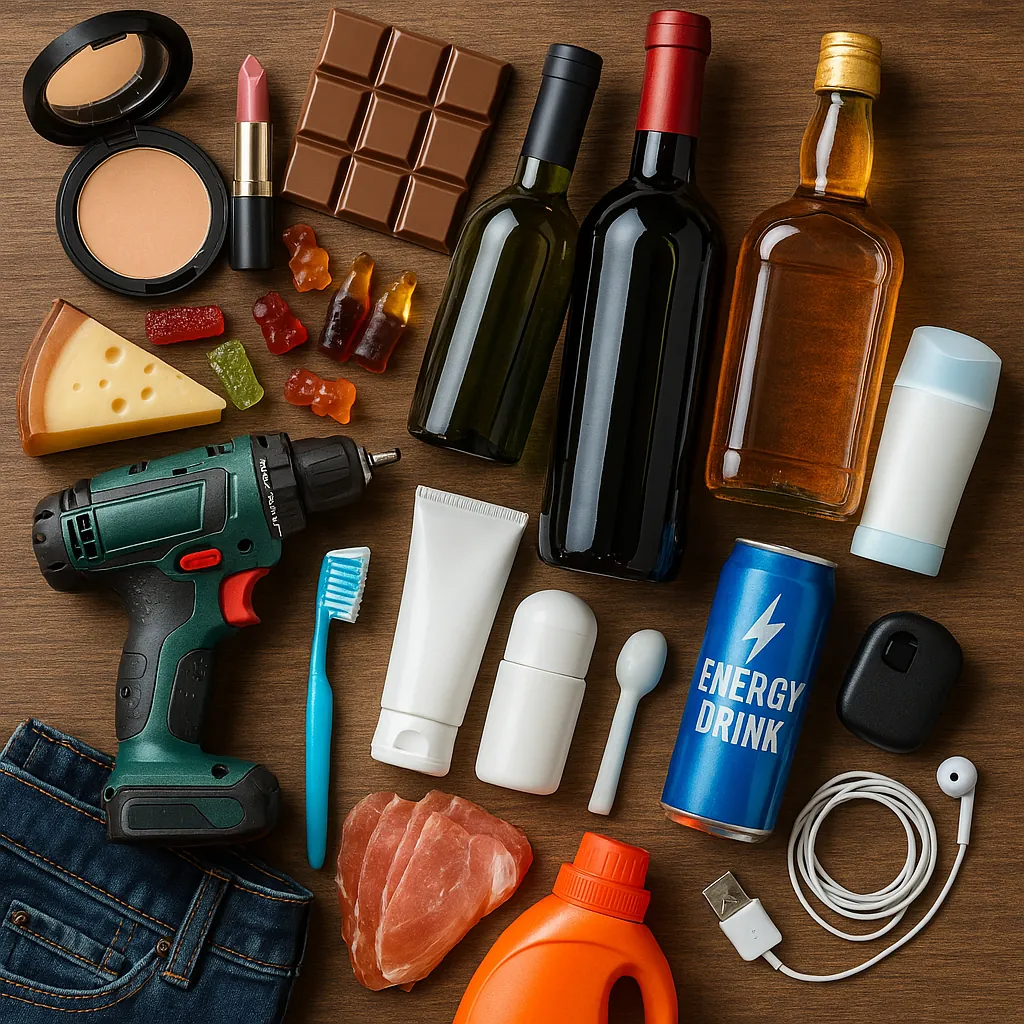
- Premium alcohol and spirits : Their high value and practical format make them easy to conceal, which leaves them constantly exposed.
- Branded perfumes and cosmetics : Small, expensive and in high demand, they slip easily into a bag and their resale value is guaranteed.
- Razor blades and refills : A classic target of in-store theft because of their high cost and constant demand.
Everyday Consumer Products: Opportunistic and Necessity-Driven Theft
Beyond luxury items, many everyday products are also stolen very often. Here, theft is often driven by necessity or by simple opportunity, what is known as opportunistic theft. Although the individual value of these items is lower, their repeated, high-volume theft ends up representing a considerable loss for retailers. For a more detailed analysis of this phenomenon in large retail stores, read our article on the top 7 most stolen items in grocery retail. It is crucial not to underestimate the cumulative impact of these thefts on your inventory and your revenue.
This category includes products that are sometimes surprising but whose theft is logically explained:
- Cheese and fresh meat : Making up a costly share of the average basket, they are stolen for personal consumption as well as for local resale.
- Powdered infant formula : An essential and expensive product, its theft is often linked to financial hardship and strong demand.
- Over-the-counter medicines : Painkillers, for example, are easy to hide and meet an immediate need.
Electronics and Tools: Categories to Protect as a Priority
The DIY and consumer electronics aisles are far from spared. They concentrate high-value items that are not only useful in daily life but also very easy to cash in on the second-hand market. Protection of these zones must therefore be strengthened to prevent losses. To complete our list of the most sensitive items, here are the last products to protect as a priority: their compact format and strong demand make them particularly exposed, whether to impulse theft or organized theft. The cumulative loss from these items can significantly affect the profitability of an aisle.
- Batteries : Essential and small, they often disappear from the aisles unnoticed.
- Power tools : Drills, screwdrivers and other tools are in high demand, including among organized networks.
- Phone accessories : Chargers, cables and earphones are particularly exposed because of their small size and cost.
- Energy drinks : Often stolen on impulse, their recurring disappearance represents a notable shortfall in earnings.
From Knowledge to Action: Proactive Strategies to Reduce Theft
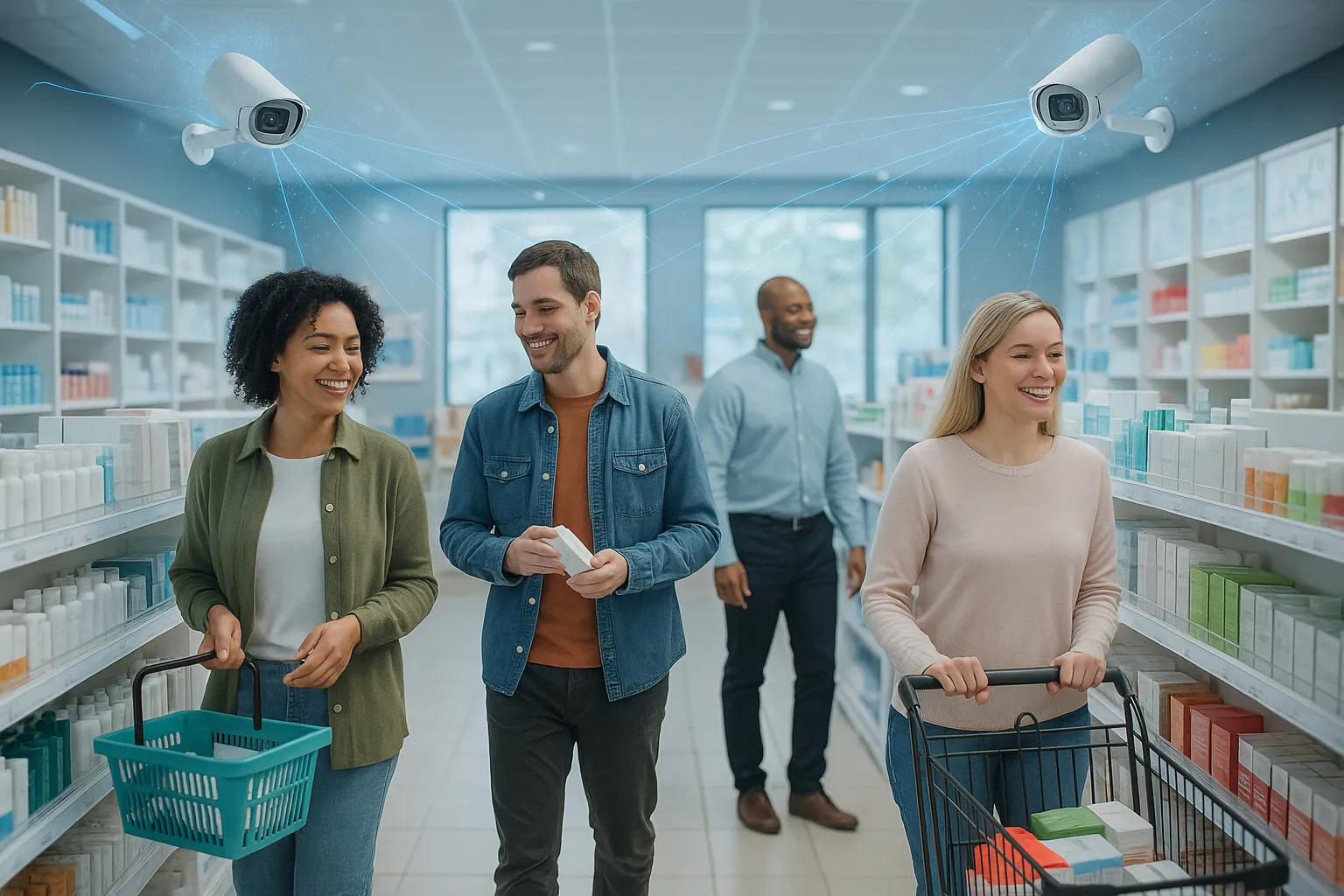
Knowing this list is a first step, but turning it into a concrete strategy is what will make the difference for your revenue. In the face of the constant rise in shoplifting, a proactive, multi-level approach is the key to securing your stores over the long term. Consider reorganizing the layout of your aisles to place sensitive items in high-visibility zones. Use traditional security solutions such as electronic anti-theft tags or protective cases. However, to go further, innovative video analysis solutions based on AI can detect at-risk gestures in real time, offering effective, non-intrusive protection. Some, like Oxania, use high-resolution video analysis via dedicated GPUs, capturing details that low-resolution systems miss, a decisive advantage for protecting the most exposed aisles.
Training your teams remains your best defense. Attentive staff, trained to spot unusual gestures and to provide excellent customer service, have a powerful deterrent effect. In parallel, complementary features such as people counting and heatmaps make it possible to identify sensitive zones and peak footfall times, so as to better distribute teams on the sales floor. By combining these measures, you do more than protect your profits: you create a safer environment and a more pleasant one for your employees as well as your loyal customers.