Shrinkage: a major challenge for large-scale retail
Shrinkage is the difference between the theoretical stock recorded in IT systems and the physical stock actually present on the shelf. This performance indicator is crucial because it directly affects stores' profit margins. While several factors can contribute to it (administrative errors, breakage, logistics losses), shoplifting remains the main cause, resulting in a considerable and persistent financial loss for the entire retail sector. According to the report The Impact of Retail Theft & Violence 2025, published by the NRF in collaboration with the Loss Prevention Research Council, in-store theft incidents rose by 18% in 2024 compared to the previous year.
To tackle this scourge effectively, the first fundamental step is to precisely identify the products most exposed to theft. This in-depth knowledge not only makes it possible to put in place suitable prevention strategies to reduce losses, but also to optimize all in-store operations. By understanding the "hot spots," it becomes possible to improve stock management and to deploy security staff more wisely and efficiently.
Health, beauty and hygiene products: small, expensive and easy to conceal
Among the most sought-after items, three categories stand out for their high added value and small size, which greatly facilitates concealment. Hygiene and health and beauty aisles are therefore particularly sensitive areas, as confirmed by the work of the ECR Retail Loss group, which studies the causes of shrinkage worldwide.
-
Cosmetics
Lipsticks, mascaras and foundations are particularly exposed because of their compact size and their high resale value.
-
Razor blades
Refills from major brands, in particular, represent a significant cost for consumers and are in high demand, which exposes them to recurring theft.
-
Batteries
Universal, essential and relatively expensive, they are very easy to pocket without arousing suspicion.
The main challenge for these aisles lies in the difficulty of spotting quick, discreet gestures, often made in very busy aisles where staff attention is spread thin.
Focus on fresh aisles: meat and cheese top the list
Although bulkier, some products in the fresh aisles are also highly vulnerable to theft because of their high price. Two product families stand out in particular:
-
Meat
Premium cuts of beef, such as tenderloin, ribeye or sirloin, are among the most frequently stolen items. Their market value makes them particularly exposed.
-
Cheese
Specialty cheeses and pre-cut portions of large wheels also carry high value and are regularly taken.
The theft techniques here are specific. "Ticket switching," which consists of replacing the price label of an expensive product with that of a cheap item, is a common practice. The impact on the store is then twofold: the direct financial loss of the product and the increased complexity of stock management for perishable goods.
Alcohol and baby products: highly exposed, for different reasons
Two other high-risk product categories illustrate the diversity of motivations behind shoplifting.
-
Alcohol and spirits
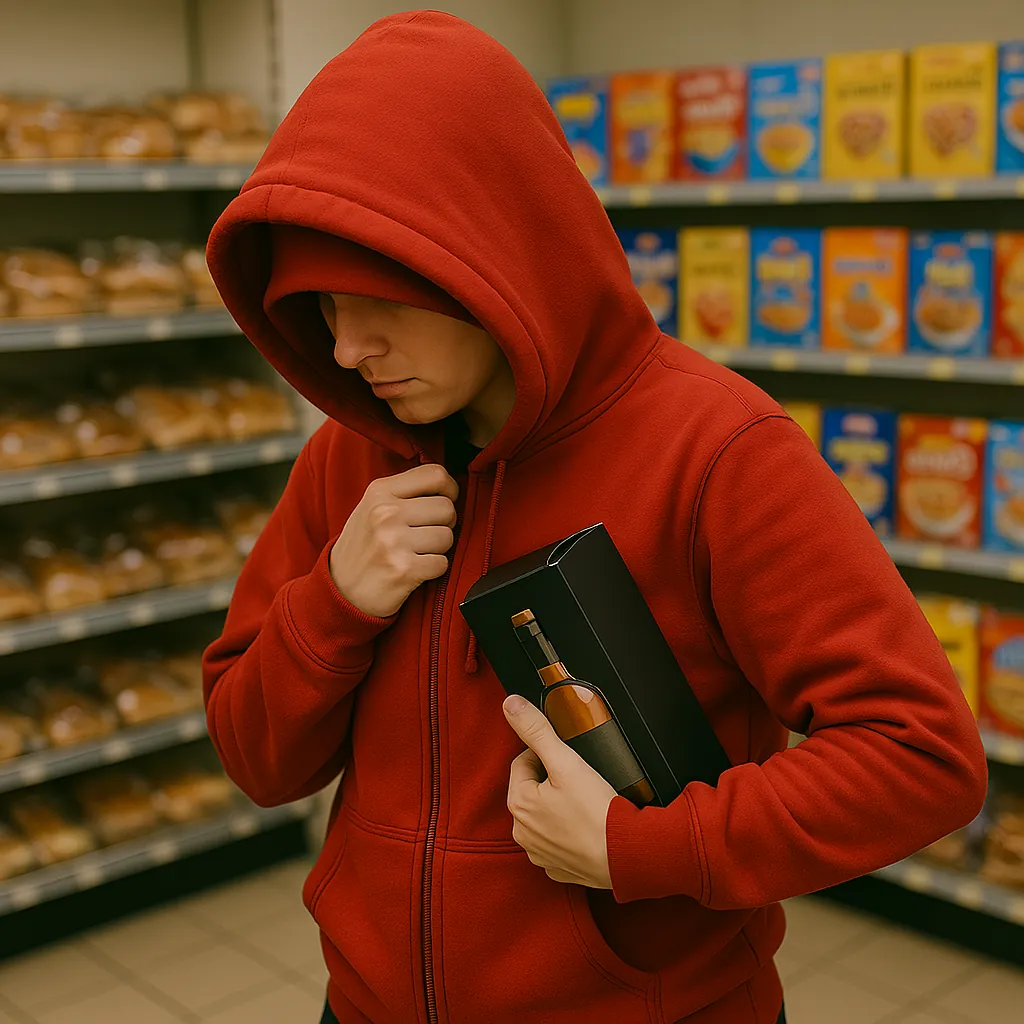
Bottles of whisky, vodka or champagne are high-value items, often stolen for resale on parallel markets or for personal consumption. Their popularity keeps them constantly exposed.
-
Infant formula
Because of its high cost and essential nature, this item is unfortunately often stolen, whether out of necessity or to supply a resale network.
Even when these products are fitted with traditional anti-theft devices, these are not foolproof. Human vigilance backed by technology remains essential to effectively protect these sensitive aisles.
How AI is transforming the fight against theft in real time
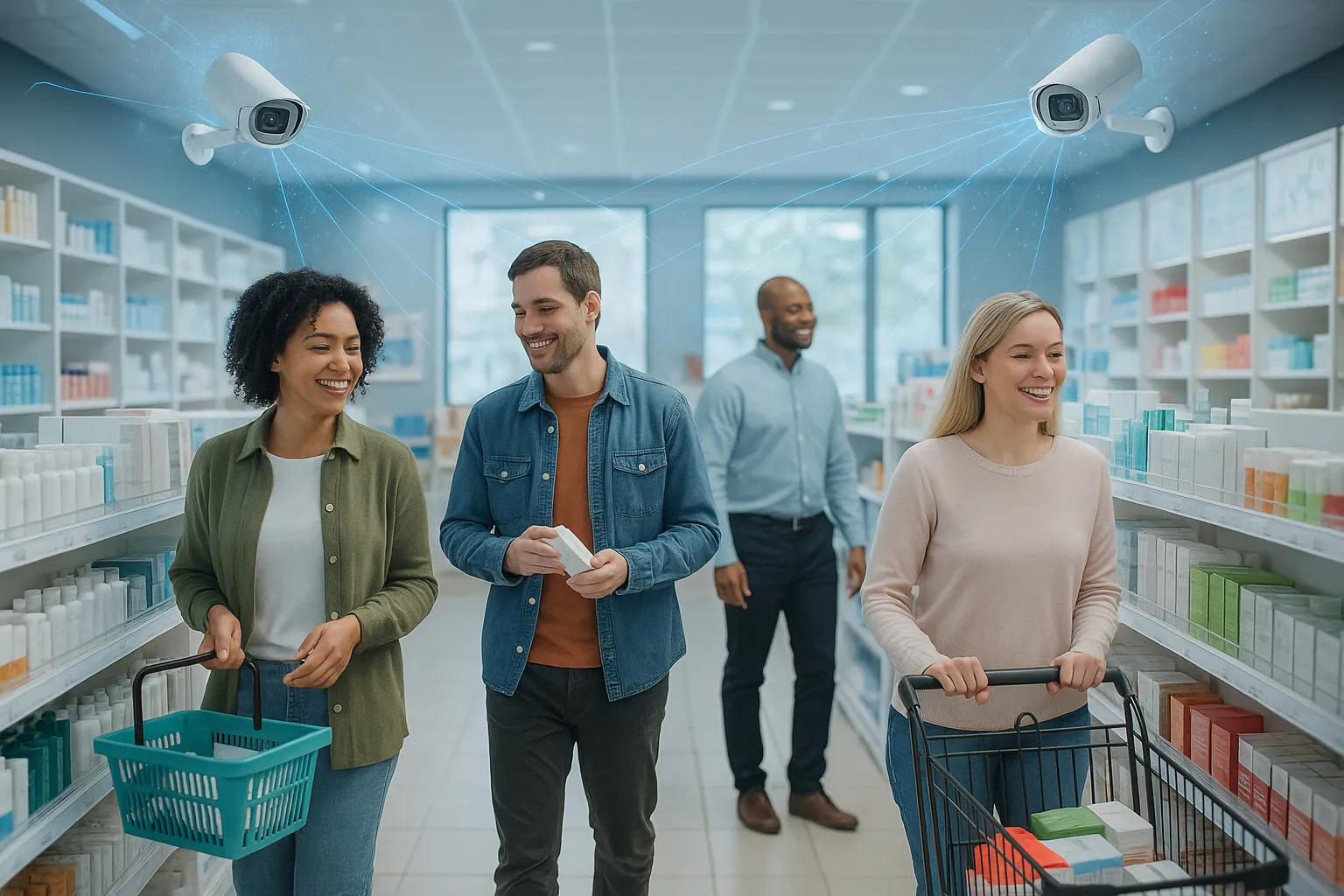
Faced with increasingly sophisticated theft tactics, intelligent video analysis is emerging as a proactive and remarkably effective solution. Instead of simply recording footage for after-the-fact findings, modern systems analyze live video streams. Innovative solutions such as Oxania rely on artificial intelligence to go further: they are able to automatically detect at-risk gestures, such as concealing a product in a bag or opening a package. Thanks to high-resolution video analysis via dedicated GPUs, every detail is captured, including quick gestures that low-resolution systems could not identify.
The operational advantage is immense and turns security into a preventive approach.
- Receive alerts in real time on mobile, tablet or computer, in under 10 seconds: the alert is sent automatically by the AI, without waiting for an operator to notice the event on a screen.
- Enable preventive action, such as approaching the customer concerned to offer help, a customer-service gesture that is often enough to deter.
- Move from reactive security (noting the loss) to a proactive strategy that protects margins and improves the environment for all customers.